
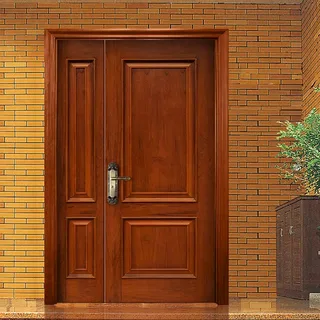
When planning a renovation or new build, homeowners in Abu Dhabi often ask whether wooden door suppliers are certified or approved by local authorities. The answer is: sometimes, but not always. Certification in the UAE depends heavily on the type of door you are installing and whether fire-safety or building-code compliance is required. There is no blanket rule that all wooden doors suppliers in Abu Dhabi must be certified, so understanding the details is important.
Below is a clear breakdown of what certification means, when it is required, and what homeowners should look for — especially if you’re searching for wooden doors Abu Dhabi, wooden door manufacturers in Abu Dhabi, wooden doors suppliers in Abu Dhabi, or wooden fire-rated doors suppliers in Abu Dhabi.
What Certification or Approval Means in Abu Dhabi
Certification usually refers to one of the following:
- Fire-resistance certification for fire-rated wooden doors.
- Compliance with UAE building and fire-safety regulations.
- Approval from civil defence authorities for doors used in regulated buildings.
However, not all doors fall under these requirements. Standard interior wooden doors, used in bedrooms, living rooms, or indoor partitions, often do not require official certification. On the other hand, fire-rated doors, exit doors, and doors in multi-storey buildings fall under stricter rules because they are part of safety infrastructure.
This means certification requirements depend on how and where the door will be used.
When Certification Is Required or Highly Recommended
For certain types of doors, certification is either mandatory or strongly recommended. These include:
1. Fire-Rated Wooden DoorsThese doors must meet specific fire-resistance standards. In Abu Dhabi, fire-rated wooden doors require civil defence–approved certification and lab testing. If your project involves apartment corridors, villa exit doors, or any area governed by fire-safety regulations, certified fire-rated doors are a must.
2. Doors in Multi-Storey BuildingsBuildings with shared corridors, emergency exits, and regulated entry/exit points typically require doors that comply with civil defence codes. Suppliers must provide certified doors that meet fire, durability, and structural standards.
3. Doors Installed in Commercial or High-Spec EnvironmentsHotels, offices, retail spaces, or luxury developments often require certified materials to meet both international and local construction guidelines. In such cases, suppliers usually have formal certification or work with certified manufacturers.
If your project falls into any of these categories, you should request documentation from your supplier.
Why Many Standard Wooden Door Suppliers May Not Be Certified
There are several reasons why standard wooden door suppliers in Abu Dhabi might not hold formal certification:
- Standard interior doors are not regulated. Regular bedroom or living-room doors do not fall under civil defence requirements.
- Certification can be costly. Smaller carpentry workshops may not pursue formal fire-rating or compliance certification if their offerings focus on decorative or interior doors.
- No central public registry exists. Abu Dhabi does not publish an official list of “approved wooden door suppliers,” which means many operate without formal certification unless required by specific projects.
- Customer awareness varies. Many homeowners focus on aesthetics and pricing rather than technical compliance, so suppliers may not prioritize certification for standard residential doors.
This does not mean the doors are low quality — only that they may not have formal regulatory approval unless required.
What Homeowners Should Check Before Choosing a Supplier
Since not all suppliers are certified and not all doors require certification, homeowners should take a careful and informed approach. Here are the key steps to follow:
1. Ask for Certification (If You Need Fire-Rated Doors)If your building or contractor requires fire-rated doors, ask for certificates, lab test results, and compliance documents. These should clearly state fire-resistance duration, materials used, and test standards.
2. Verify the Intended Use of the DoorsIdentify whether your door is simply decorative or functionally part of a safety system. Interior doors require fewer approvals, but exterior or fire doors should meet regulatory requirements.
3. Check the Supplier’s ExperienceFind out whether the supplier has completed large-scale or civil-defence–approved projects. Experience in regulated projects is a strong indicator of reliability.
4. Confirm Material SpecificationsAbu Dhabi's heat and humidity levels require moisture-resistant, temperature-stable materials. Always ask for detailed specs such as wood type, thickness, finish, and core material.
5. Request Written DocumentationAsk for specifications, warranty details, installation instructions, and certification documents (if applicable). This protects you in future renovations, insurance claims, or property sales.
ConclusionWooden door suppliers in Abu Dhabi are not automatically certified or approved by local authorities, especially when providing standard interior doors. Certification becomes essential only when dealing with fire-rated doors or doors installed in regulated environments such as multi-storey buildings, commercial spaces, or civil-defence–controlled areas.
If you are searching for wooden doors in Abu Dhabi, wooden door manufacturers in Abu Dhabi, wooden doors suppliers in Abu Dhabi, or wooden fire-rated doors suppliers in Abu Dhabi, the best approach is to ask the right questions and verify documentation. Certification is available when needed — but it is not universal across all suppliers.